
Redefining Resilience: Why Our Coastal Architecture Must Evolve with the Climate
As architects and developers working in the Persian Gulf, we have spent decades pushing the boundaries of what is possible—creating iconic skylines and mega-projects that stand as testaments to human ingenuity. But as the climate landscape shifts, our definition of “great architecture” is evolving. It is no longer just about aesthetics, height, or energy efficiency. Today, the most critical conversation in our industry is about resilience.
Recent shifts in weather patterns across the Gulf—ranging from increasingly unpredictable storm surges to the rising intensity of extreme weather events—have left many of us in the industry asking a difficult question: Are our buildings truly prepared for the worst-case scenario?
The Gap in Traditional Safety Protocols
Current building codes and structural designs are exceptional at handling standard seismic loads and wind pressures. However, when we look at extreme hydrodynamic events—sudden flash flooding or rapid storm surges—we face a structural reality: traditional buildings are static. While they can protect against many things, they can be vulnerable when the environment forces a total evacuation scenario, or worse, when evacuation routes are compromised.
In our pursuit of sustainable development, we have often focused on the long-term impact of buildings. It is time we give equal focus to the immediate survival of the people who occupy these spaces.
A New Perspective: Integrating Modular Safety Technology
This is where the industry is beginning to pivot toward “Shelter-in-Place” engineering. Rather than relying solely on the structural integrity of the main building, we are looking at modular, high-reliability safety systems that can operate independently.
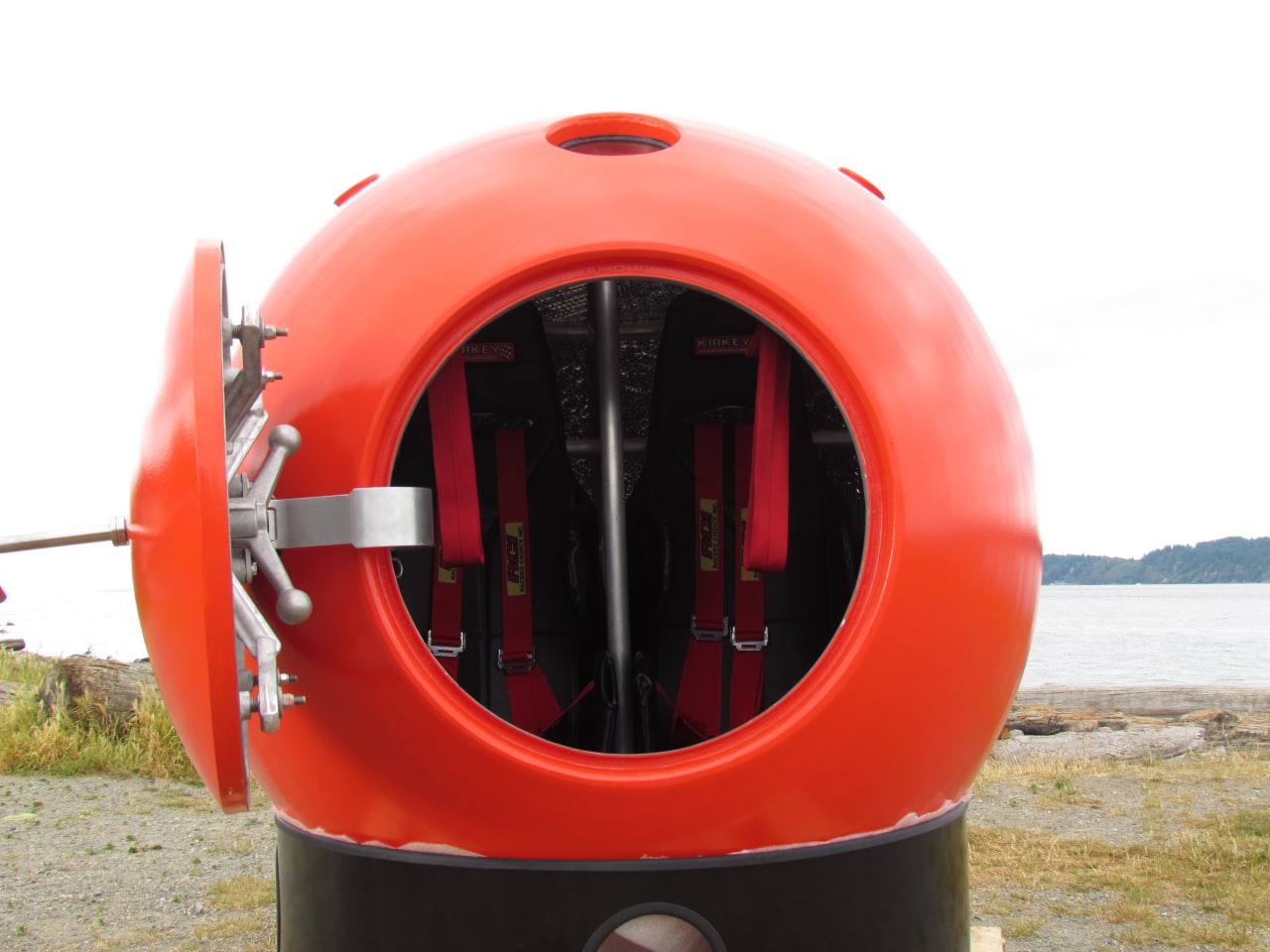
One such advancement that has caught our attention is the Survival Capsule. Unlike traditional rectangular shelters, its spherical design is a masterclass in load-dispersion mechanics. It is designed to withstand massive impact forces, thermal exposure, and hydrodynamic pressure—acting as a personal safety system that functions even when the surrounding infrastructure is under extreme stress.
For developers and master-planners in the Gulf, integrating technology like the Survival Capsule isn’t about fear; it’s about advanced risk management. It’s about building for the future with the understanding that true progress means ensuring the absolute safety of occupants, no matter the environmental variable.
**
The future of Gulf architecture belongs to those who prioritize safety without compromising on innovation. As we move forward, we should be looking at these kinds of modular, resilient technologies as the new standard in premium, forward-thinking construction.
At letgostore, we believe that when we design for safety, we are not just building structures; we are creating a legacy of trust.
